Treatment under general anaesthesia is often called “treatment under sedation” in everyday language. While most people associate general anaesthesia with major surgery, it’s also used quite regularly in dentistry. For patients who suffer from dental phobia, it can be a much more comfortable way to receive treatment. But it’s not the right choice for everyone. Let’s look at when general anaesthesia isn’t appropriate.
General anaesthesia is not suitable for every dental procedure
Before getting into contraindications, it’s worth noting that general anaesthesia isn’t actually used for all dental treatments. Procedures in dental surgery, paediatric dentistry, and restorative dentistry are generally well suited to it. Prosthodontic or implant procedures, on the other hand, are less commonly done under general anaesthesia, because these treatments require the patient’s active cooperation, which isn’t possible when someone is fully sedated.
Absolute contraindications
Absolute contraindications are conditions that completely rule out the use of general anaesthesia. These include:
• Acute respiratory tract infections (such as pneumonia, bronchitis, tonsillitis, or laryngitis)
• Blood disorders involving clotting problems
• Unstabilised chronic conditions, such as diabetes, epilepsy, kidney, liver, or thyroid disease, asthma, hypertension, or coronary artery disease
• Congenital metabolic disorders where anaesthetic agents could trigger cardiorespiratory failure
• Having eaten within 6 hours before the procedure (due to the risk of aspiration)
• Full stomach or bowel obstruction
• Known severe allergy to anaesthetic agents
• Certain heart conditions, including uncontrolled arrhythmia, heart failure, or a recent heart attack
Relative contraindications
Relative contraindications are conditions that make general anaesthesia more complicated or risky, but don’t necessarily prevent it entirely. The decision is made on a case-by-case basis by a specialist anaesthetist. Relative contraindications include:
• Mild or well-controlled respiratory conditions
• Obesity (higher body mass index significantly increases anaesthetic risk)
• Advanced age, as older patients tend to metabolise anaesthetic agents more slowly
• Previous negative reactions to anaesthesia
• Mental health conditions or cognitive impairment that may make cooperation before and after the procedure difficult
• Pregnancy, especially in the first and third trimesters
Anaesthesia in children
General anaesthesia in children carries specific considerations. Most dental procedures in young children that require anaesthesia are carried out in a hospital setting, with a specialist paediatric anaesthetist present. The benefit of treating a child under anaesthesia must always be carefully weighed against the risks. In many cases, with the right approach and team, it’s entirely safe and the best option for the child’s overall wellbeing.
What are the alternatives?
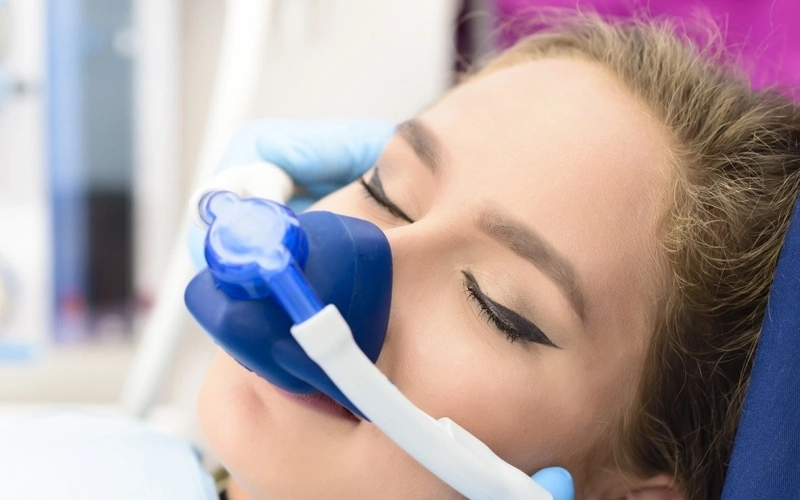
For patients who have dental phobia but can’t have general anaesthesia, there are other options. Conscious sedation using nitrous oxide (laughing gas) or intravenous sedation can help reduce anxiety while keeping the patient responsive and able to cooperate. These methods carry a lower risk profile than full general anaesthesia and are suitable for a wider range of patients.
If you’re worried about dental treatment or think you might need anaesthesia, the best first step is to have an honest conversation with your dentist. Together you can work out the safest and most comfortable approach for your situation.