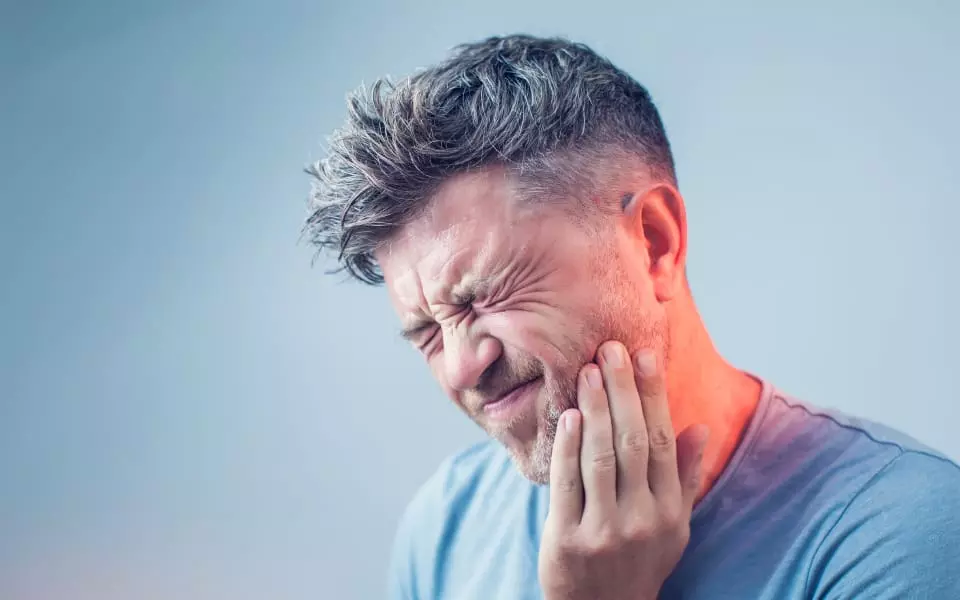
Biting your lips or the inside of your cheeks is something a lot of people do, often without even realising it. It might look harmless, but over time this habit can lead to some genuine problems. Let’s take a closer look at why it happens and what effects it can have.
Why do people bite their lips and cheeks?
In most cases, biting the lips or inner cheeks is an unconscious habit that develops as a response to stress or anxiety. It’s a type of body-focused repetitive behaviour, similar to nail biting or hair pulling. For many people, it provides a momentary sense of relief or helps them concentrate. It often happens during stressful situations, when working hard, or when someone is bored or restless.
In some cases the habit has a physical cause. A misaligned bite can make accidental biting more likely, as can sharp teeth or poorly fitting dental restorations that catch the soft tissue of the cheek or lip.
What damage can it cause?
Occasional, accidental biting is generally not a problem. But when biting becomes a regular habit, the effects can build up over time. The inner cheek tissue can become irritated, swollen, and develop small sores or ulcers. You might notice a thickening of the tissue inside the cheek, which sometimes looks white or pale. This is the body’s protective response to repeated trauma.
Chronic biting raises the risk of developing more serious conditions. The repeated trauma to the mucous membrane can, over time, lead to changes in the tissue that should be monitored by a dentist or doctor. If you notice any persistent sores, thickened patches, or white lesions inside your mouth that don’t heal within two weeks, it’s worth getting them checked.
Effects on the teeth
Regular biting of the cheeks or lips can also affect the teeth. The habit can contribute to enamel wear, particularly if the biting involves any contact with the tooth surface. In children, persistent cheek biting can potentially influence how the teeth develop and align.
How to stop
Breaking this habit isn’t always easy, especially when it’s linked to stress or anxiety. Here are a few things that can help:
- Becoming more aware of when and why you do it. Keeping a simple note of triggers can be useful.
- Finding an alternative outlet for stress or nervous energy, such as a stress ball, chewing sugar-free gum, or deep breathing.
- Addressing the underlying anxiety with the help of a therapist or counsellor if the habit is severe.
- Seeing a dentist to check whether a bite problem or sharp tooth is contributing to accidental biting.
If the biting is causing visible sores or lesions that aren’t healing, don’t put off seeing a dentist. It’s always better to get things checked sooner rather than later.