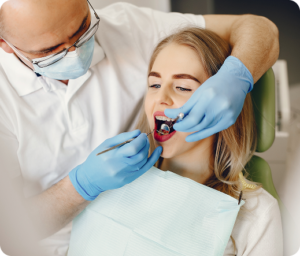

One of the key factors affecting oral health is tooth decay, which can lead to serious complications if not treated properly and in time. For decades, various prevention methods have been used to fight it, and fluoride treatment is one of the most widespread and widely discussed. What exactly is this procedure? How does it work on teeth, and is it really an effective weapon against decay? Read on to find out.
Fluoride treatment — what is it?
Fluoride treatment is a dental procedure that involves applying fluoride-containing preparations to the surface of the teeth. Its main purpose is to strengthen tooth enamel and protect it against the demineralising effects of acids produced by bacteria in the mouth. When fluoride is absorbed into the enamel, it increases resistance to decay.
The procedure is recommended for both children and adults. It can be carried out at home using special toothpastes or mouth rinses, or in the dental surgery, where higher-concentration preparations are used. Fluoride treatment is recognised as one of the most effective tools for preventing tooth decay, and regular application can significantly improve dental health and day-to-day comfort.
Fluoride treatment — how does it work?
Fluoride strengthens the enamel of your teeth. The main component of enamel is hydroxyapatite. In the presence of fluoride applied during treatment, hydroxyapatite converts into fluorapatite — a substance far more resistant to the acids produced in the mouth by bacteria. Fluoride also increases the efficiency of the remineralisation process, helping to repair minor enamel damage before it develops into larger cavities. This is how fluoride treatment helps prevent decay and strengthens the overall structure of the tooth.
Types of fluoride treatment
In-surgery fluoride treatment uses high-concentration preparations, such as gels, foams or varnishes. Because of the concentration of the active ingredients, it should be carried out once or twice a year, though it produces quick and effective results.
Home fluoride treatment is also very popular. This involves the patient using lower-concentration products available over the counter — toothpastes, mouth rinses or fluoride tablets. This approach lets patients look after their teeth day to day, providing a steady supply of fluoride.
Benefits of fluoride treatment
Fluoride treatment brings a range of health benefits that directly improve patients’ quality of life. The main benefit is the strengthening of tooth enamel. Fluoride integrates with the enamel to form fluorapatite, making teeth more resistant to acids and the demineralisation that leads to decay.
Another benefit is protection against tooth sensitivity. Fluoride treatment can help protect exposed tooth necks and areas of enamel loss, reducing pain and discomfort when eating or drinking cold or hot food and drinks.
Fluoride treatment also supports remineralisation. Small areas of enamel damage are repaired more quickly in the presence of fluoride, preventing them from developing into larger cavities.
Regular fluoride treatment can also extend the lifespan of existing fillings and crowns by protecting them from the acidic environment and preventing further decay in adjacent areas.
Is fluoride treatment effective in preventing decay?
Years of observation show that regular fluoride treatment significantly reduces the risk of tooth decay, especially in children and young people. This helps maintain healthy teeth and reduces the cost of dental treatment in the future.
It is worth noting, though, that fluoride treatment alone — however effective — does not replace other important oral hygiene practices, such as regular brushing, flossing and routine check-ups with your dentist. Fluoride treatment is one element of a comprehensive approach to oral health, and it works best when combined with other preventive methods.
Summary
Fluoride treatment is an important part of dental prevention, aimed primarily at strengthening enamel and protecting against decay. The process involves applying fluoride to the enamel, increasing the teeth’s resistance to acids and demineralisation. There are many ways to do this — from in-surgery treatments to home methods that patients can use independently. Years of research confirm fluoride treatment’s effectiveness in preventing decay, especially as part of a comprehensive oral health plan. For the best results, fluoride treatment should be applied regularly and combined with other hygiene practices and routine dental check-ups.