Bruxism is a common disorder characterised by involuntary clenching or grinding of the teeth. It most often occurs at night, but can also happen during the day. Although many people think of it as little more than an annoying habit, it can in fact lead to a range of serious health problems. Typical consequences include structural damage to teeth, headaches and jaw pain, as well as temporomandibular joint problems. In this article, we explain exactly what bruxism is and what treatment options are available. Read on.
What causes bruxism?
Bruxism can have many causes and can involve psychological, physiological and behavioural factors. Among the most common triggers for involuntary teeth clenching are stress and anxiety. These emotions can place significant strain on the jaw muscles, causing excessive tension both during the day and at night.
Sleep disorders, including sleep apnoea, also significantly contribute to bruxism. They can negatively affect muscle activity, leading to excessive teeth clenching. Behavioural factors are equally important, including diet and the overuse of stimulants such as caffeine and alcohol. Excessive consumption can increase muscle tension and impair sleep quality, which in turn promotes bruxism.
Structural issues with the dental system, such as bite problems or an incorrect jaw position, also frequently contribute to heightened muscle tension.
Bruxism — symptoms and health consequences
The symptoms of bruxism are varied and not always easy to spot, especially if the problem occurs during sleep. Symptoms such as jaw pain — which may radiate to the face and head — facial muscle pain on waking, and increased sensitivity of teeth to temperature and pressure, can all point to bruxism.
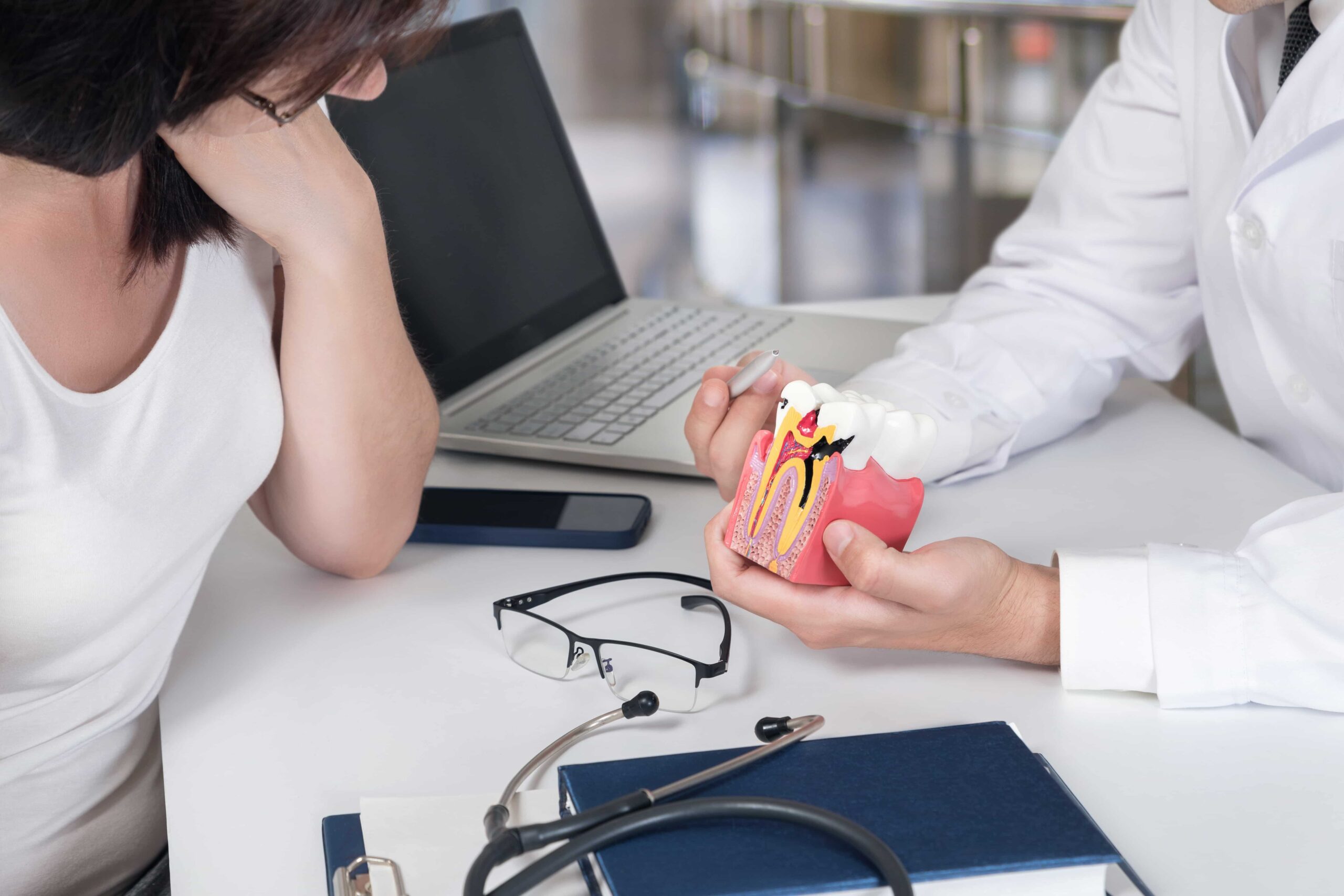
Untreated bruxism most often leads to chronic health problems, including tooth damage (wear, cracks and even tooth loss). These consequences affect not just the appearance of your smile, but can also cause problems with eating and worsen overall oral health.
How is bruxism diagnosed?
Diagnosing bruxism is based on analysing clinical symptoms and taking a detailed health history. Typically, the first step in identifying the problem is noticing characteristic signs — such as pain or discomfort in the jaw area, increased sensitivity of teeth or visible wear on tooth surfaces. Patients often report morning jaw or head pain, which can indicate excessive teeth clenching during the night.
A thorough medical history is a key part of the diagnostic process, covering the patient’s sleep quality, stress levels and how they manage stress. Information from a patient’s partner can also be valuable, as they may be able to confirm that the patient grinds or clenches their teeth at night.
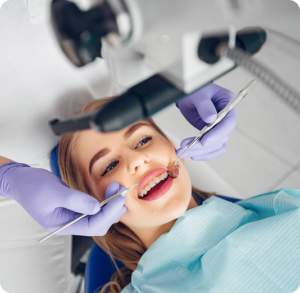
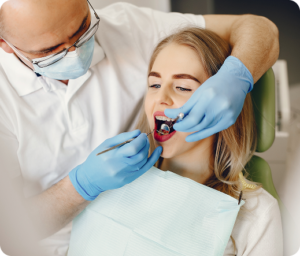
A professional dental assessment is necessary to confirm the diagnosis of bruxism. A dentist can identify the damage characteristic of this disorder — such as wear marks, cracks and other defects — that indicate bruxism is present.
How is bruxism treated?
The best place to start with bruxism treatment is making changes to daily habits. Minimising stress through relaxation techniques — such as meditation, yoga or breathing exercises — is an important first step. From a medical perspective, one of the primary treatment methods is wearing a custom-made night splint, individually fitted by our dentists. The main purpose of the splint is to protect the teeth by distributing pressure evenly, which helps prevent further tooth wear and reduces muscle tension in the jaw.
Depending on the individual causes and severity of bruxism, medication may sometimes be necessary, and should always be prescribed and supervised by a doctor.
Physiotherapy can also be effective in reducing muscle tension and pain. Specific exercises and jaw-relaxing techniques can bring relief and reduce discomfort.
In extreme cases, when standard methods do not produce the desired results, patients may opt for botulinum toxin injections into the muscles responsible for chewing. This approach aims to weaken the clenching force of the muscles, helping to reduce the symptoms of bruxism. It is worth noting, however, that botulinum toxin treatment must always be preceded by a consultation with a doctor.
Summary
Bruxism is a disorder involving the clenching or grinding of teeth that can lead to serious health problems, including tooth damage, headaches and jaw pain, as well as temporomandibular joint problems. The causes of bruxism include primarily psychological, physiological and behavioural factors — such as stress, sleep disorders and structural dental issues. Diagnosing and treating bruxism requires a comprehensive approach, including changes to daily habits, the use of night splints and, in some cases, medication or even botulinum toxin treatment.