
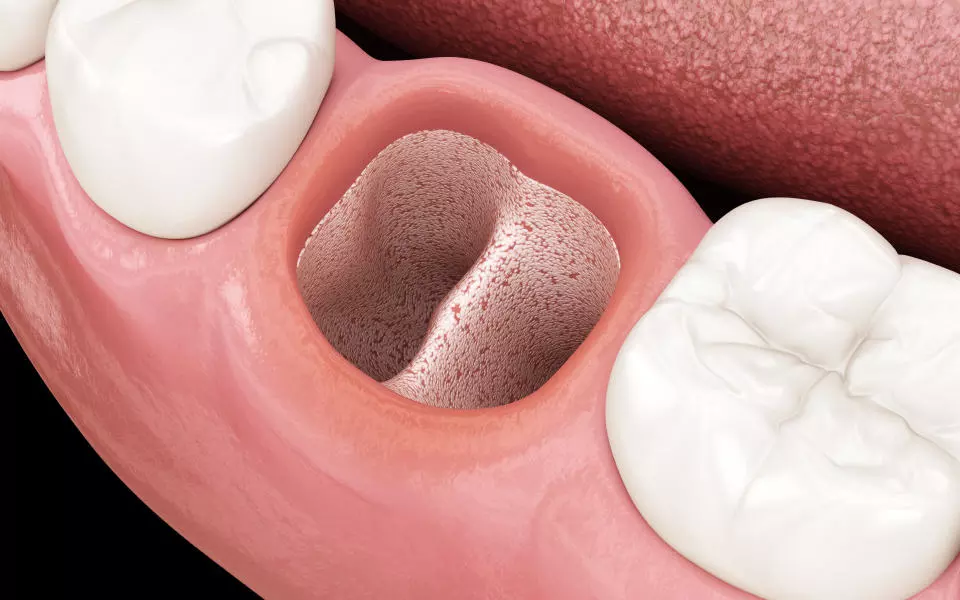
Many patients walk out of the dental practice after a tooth extraction feeling relieved that it’s done. But the truth is, how you look after the extraction site in the following days has a big impact on how quickly and smoothly it heals. Here’s what to do (and what to avoid).
What happens after a tooth is removed?
When a tooth is extracted, a blood clot forms in the empty socket. This clot is part of the healing process. It protects the bone and nerve endings underneath and provides the foundation for new tissue to grow. The healing process happens in stages and can take several weeks for the socket to fully close, although the area usually feels comfortable long before that.
The first 24 hours
The first day after an extraction is the most important. The blood clot is fragile at this stage and needs to be protected. Here’s what to do:
- Bite gently but firmly on the gauze pad your dentist gives you for at least 30 to 45 minutes to help the clot form.
- Avoid rinsing your mouth vigorously, spitting, or using a straw. The suction can dislodge the clot.
- Don’t smoke. Smoking significantly increases the risk of a dry socket (see below) and slows healing.
- Avoid hot foods and drinks until the anaesthetic has worn off.
- Rest. Strenuous exercise increases blood pressure and can cause the socket to bleed again.
After the first 24 hours
From the second day onwards, you can rinse gently with warm salty water (half a teaspoon of salt in a glass of warm water) to keep the area clean. Do this after meals, but be gentle. Your diet can gradually return to normal, but it’s sensible to avoid very hard, crunchy, or sticky foods that could get into the socket for a week or so.
Continue to brush and floss the rest of your teeth as normal, just avoid the extraction site until it has started to heal. Keep any prescribed medication or antiseptic mouthwash going as directed by your dentist.
What is a dry socket?
A dry socket (alveolar osteitis) occurs when the blood clot is lost from the socket before the wound has healed. This leaves the bone and nerve endings exposed, which is very painful. Signs of a dry socket include:
- Severe pain in the socket, usually starting two to four days after the extraction
- An empty-looking socket with no visible clot
- Bad breath or an unpleasant taste that doesn’t go away with rinsing
Dry socket is more common in smokers, after difficult extractions (such as impacted wisdom teeth), in people taking the oral contraceptive pill, and in patients with poor oral hygiene. If you think you might have a dry socket, contact your dentist. It needs treatment.
Signs that healing is going well
Normal healing involves some swelling and mild discomfort for the first few days. You might notice some pinkish fluid from the socket in the first few hours. Gentle swelling around the area is expected. Over-the-counter painkillers such as ibuprofen or paracetamol usually manage the discomfort well.
When to contact your dentist
Get in touch if you experience:
- Severe pain that doesn’t respond to painkillers
- Significant swelling that gets worse after the first two days
- Bleeding that won’t stop with gentle pressure
- Fever or a feeling of being generally unwell
- A bad taste or smell from the socket that doesn’t resolve
With a bit of care in the first few days, most extraction sites heal well and without complications. If you’re ever in doubt, your dental team is always happy to take a look.