Tooth decay is one of the most common conditions affecting children. It is an infectious oral disease that can cause serious problems, including pain, difficulty eating, trouble speaking and even premature tooth loss. It develops when minerals are lost from tooth enamel — a result of acids produced by bacteria in dental plaque. These micro-organisms multiply quickly in the mouth, particularly when sugar intake is high, converting sugars into substances that gradually destroy teeth. So how can we prevent and treat decay in children? Read on.
Tooth decay in children — causes
Decay in children can result from a variety of causes, both external and internal. Neglect of daily oral hygiene — such as infrequent brushing, not using floss and skipping regular dental check-ups — creates ideal conditions for bacteria that cause tooth decay to thrive.
A diet high in simple sugars and fermentable carbohydrates is also a major contributing factor, as these are the ideal food source for cavity-causing bacteria. Regularly eating sweets, drinking fizzy drinks or fruit juices directly increases the risk of decay.
Early feeding habits can also play a role. Prolonged bottle feeding, for instance, can lead to a specific type of decay known as baby bottle tooth decay.
A lack of fluoride in the daily diet and drinking water can also increase susceptibility to decay. Fluoride is important for strengthening tooth enamel, making it more resistant to acid erosion.
Tooth decay in children — how to prevent it?
Keeping children’s teeth healthy and avoiding decay and other oral diseases requires consistent action in several areas.
Oral hygiene
The foundation of decay prevention is good oral hygiene. Brushing at least twice a day, using dental floss and mouth rinses — these are the essentials that help minimise the risk of decay. Thoroughly removing plaque, which harbours cavity-causing bacteria, protects teeth from losing minerals. Good hygiene should cover not just the teeth, but also the gums and tongue, helping children avoid gum disease, which itself has decay as one of its main causes.
A healthy diet
Diet also plays a key role in preventing decay. Eating vegetables, fruit and wholegrain products, while cutting back on simple sugars and fermentable foods, is really important. Sugars are the main food source for bacteria that produce enamel-destroying acids. Reducing sugar intake and avoiding frequent snacking between meals significantly lowers the risk of decay.
Regular dental check-ups
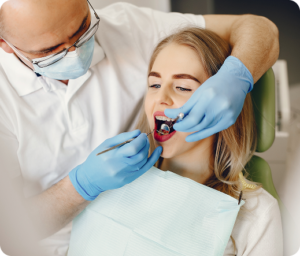
Regular dental visits — recommended at least every six months — are highly valuable. They allow early detection and treatment of initial decay, which may not yet be visible or felt by the patient. Early intervention is less invasive and more effective. A dentist can also assess the quality of daily hygiene and tailor advice on brushing technique and flossing. Professional cleaning, such as scaling and air polishing, removes tartar and plaque from hard-to-reach spots, providing additional protection against decay and gum disease.
Treatment options for tooth decay in children
Treating decay in children requires a range of techniques tailored to the patient’s age, the severity of the condition and individual needs. There are several main treatment approaches for younger patients.
One of the most common is placing a filling. This is the preferred option for smaller to moderately sized cavities. During the procedure, the infected tooth tissue is removed and the cavity is filled with a composite material that closely resembles the natural structure of the tooth. These materials are safe and well tolerated by children.
Another popular method is fissure sealants. This involves applying a thin layer of special sealant material to the chewing surfaces of the back teeth. The sealant creates a protective barrier that prevents food debris and bacteria from collecting in the grooves of the teeth, minimising the risk of decay.
Fluoride treatment serves both as a preventive measure and a treatment option. It involves applying fluoride-containing preparations that strengthen tooth enamel, making it more resistant to acids. Fluoride treatment can be done at home using appropriate toothpastes, or in the dental surgery, where stronger preparations are used.
When decay is more advanced and affects a larger portion of the tooth, or leads to pulp inflammation, root canal treatment may be necessary. This involves removing the infected pulp, cleaning and disinfecting the root canals and then sealing them. In the most advanced cases, when other treatment options have not worked, extraction — removal of the tooth — may be necessary.
Summary
Tooth decay in children is a serious health issue that can lead to various complications, but it is also a condition that can be effectively prevented. The key to protecting children’s oral health is maintaining good oral hygiene, eating a healthy diet and attending regular dental check-ups, which allow early detection and treatment. When decay does occur, there are various treatment methods suited to the child’s needs and age — from fillings and sealants through fluoride treatment to more advanced techniques such as root canal treatment or extraction. With the right prevention and early intervention, healthy teeth for years to come are very much achievable.