Wisdom teeth, or third molars, typically develop between the ages of 17 and 25. Many people think of them as unnecessary teeth that shouldn’t develop at all, or that should be removed as a precaution – but is that really the case?
Many people believe wisdom teeth are redundant and should be removed preventatively to avoid future dental problems. However, this is not always necessary. A great deal depends on the individual patient and their mouth.
Some people have enough space in their mouths and experience no problems whatsoever with their wisdom teeth. Others have teeth that grow at a difficult angle, which can lead to pain, infection, or damage to other teeth.
There is no clear-cut answer to whether wisdom teeth should be removed. However, it is worth consulting an experienced dentist who can take X-rays of your mouth and assess your individual situation to make the best recommendation.
It is also worth keeping in mind that every case is different, and it’s wrong to assume that all wisdom teeth are always problematic. Some people will have no issues with their wisdom teeth whatsoever, while others may need dental intervention.
Ultimately, the decision about removing wisdom teeth should be made by the patient after weighing up all the options and consulting with an experienced dentist. Above all, remember that preventive care and regular visits to your dentist are the foundation of good oral health and the best way to avoid serious dental problems.
Should wisdom teeth come out?
Wisdom teeth have quite a reputation – they are often associated with pain and dental trouble. But does everyone really need to have them out? That depends on each individual situation. A lot comes down to how the wisdom teeth are developing in the mouth and whether they are causing any problems.
Some people have fully developed wisdom teeth that cause no issues with daily life and no problems at all. In that case there is no need to remove them. If wisdom teeth do not grow properly, though, they can cause a range of problems including pain, infections, shifting of other teeth, and difficulty cleaning the mouth. In such cases removal may be necessary.
It is important to remember that the decision to remove wisdom teeth should be made by a dentist based on a thorough assessment of the patient’s mouth. The dentist should examine the patient carefully and carry out the necessary investigations, such as a panoramic X-ray, to determine whether the wisdom teeth pose a risk to oral health.
To sum up – should wisdom teeth come out? That depends. There is no single answer, because every case is different. It is worth visiting your dentist regularly so they can assess the condition of your teeth and advise you on how to manage your wisdom teeth.
What does wisdom tooth removal involve?
Wisdom tooth removal is one of the most commonly performed dental procedures. Although many people are nervous about it, in most cases it is completely safe and straightforward.
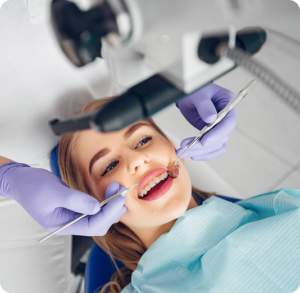
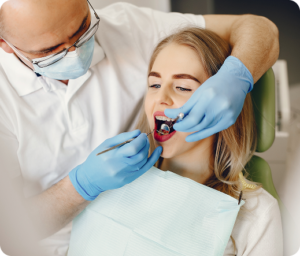
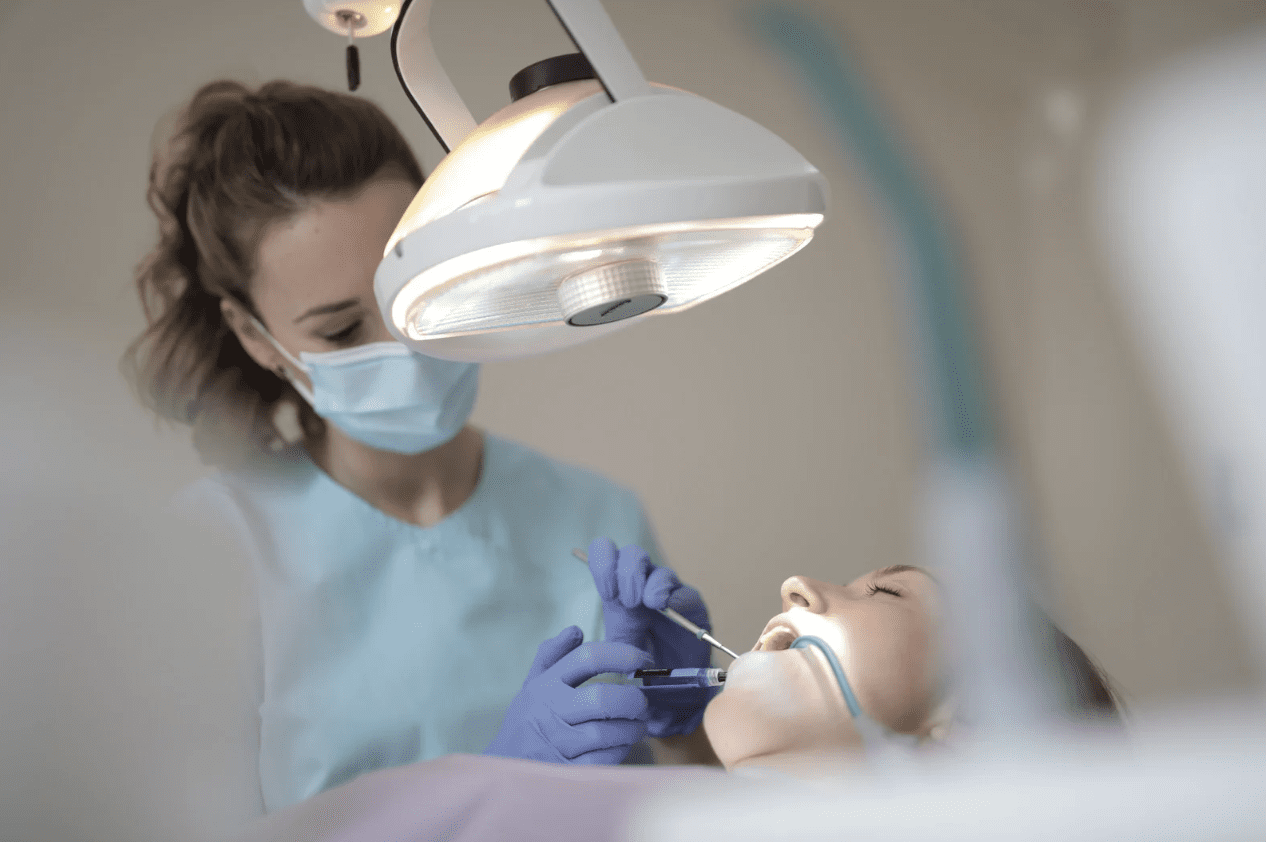
Before the procedure the patient is given a local anaesthetic, so no pain is felt. Where needed, the wisdom tooth is first carefully loosened and then removed using a specialist instrument. The whole procedure typically takes around 20–30 minutes.
After the procedure, the patient receives instructions on how to care for the mouth, including advice on eating, drinking, and oral hygiene. In most cases patients are able to return to normal activities within a few days.
For more complex procedures – such as removing wisdom teeth that are embedded in the bone – sedation or general anaesthetic may be needed. In that case the dentist will discuss the procedure and the risks in detail with the patient beforehand.
To sum up, wisdom tooth removal is often necessary but is usually nothing to worry about. If you have any doubts or concerns, it is worth consulting your dentist, who will be able to give you all the information and advice you need.
If you are wondering whether to have your wisdom teeth removed, or you need help managing related problems, get in touch with us at Perfect Smile. Our experienced dentists will provide professional care and help you make the best decision for your oral health. Our welcoming atmosphere and up-to-date technology make every visit safe, comfortable, and as pleasant as possible. Don’t wait – book an appointment today!