Correcting a misaligned bite is something most people associate with childhood or adolescence. Today, however, modern medicine offers solutions that make orthodontic treatment effective and accessible for people over 30 as well. Regardless of age, straightening your teeth can bring real health and aesthetic benefits. In this article we take a closer look at orthodontics for adult patients. Read on!
Getting braces after 30 — why is it worth it?
Deciding to have orthodontic treatment after 30 can bring significant benefits for both health and appearance. Correcting bite problems is particularly important for oral health. Misaligned teeth make daily hygiene more difficult, which increases the risk of decay, gum disease and other serious dental problems.
Adults with bite problems often have difficulty chewing food properly, which affects digestion and the general health of the digestive system. Misaligned teeth can also cause excessive wear, leading to weakening and tooth damage.
The aesthetic side of orthodontic treatment matters too. Straight, evenly aligned teeth improve the appearance of your smile, which generally boosts confidence and overall wellbeing. A beautiful smile is often seen as a sign of health and attractiveness, and can have a positive impact on both personal and professional life.
Modern orthodontics offers various treatment methods tailored to adult patients. Today’s braces are more discreet and comfortable than traditional ones, making treatment less intrusive and more aesthetically acceptable.
Orthodontic treatment after 30 — available options
Adults have a range of orthodontic treatment options to choose from. The most popular methods include traditional fixed braces, self-ligating braces, clear aligners and lingual braces.
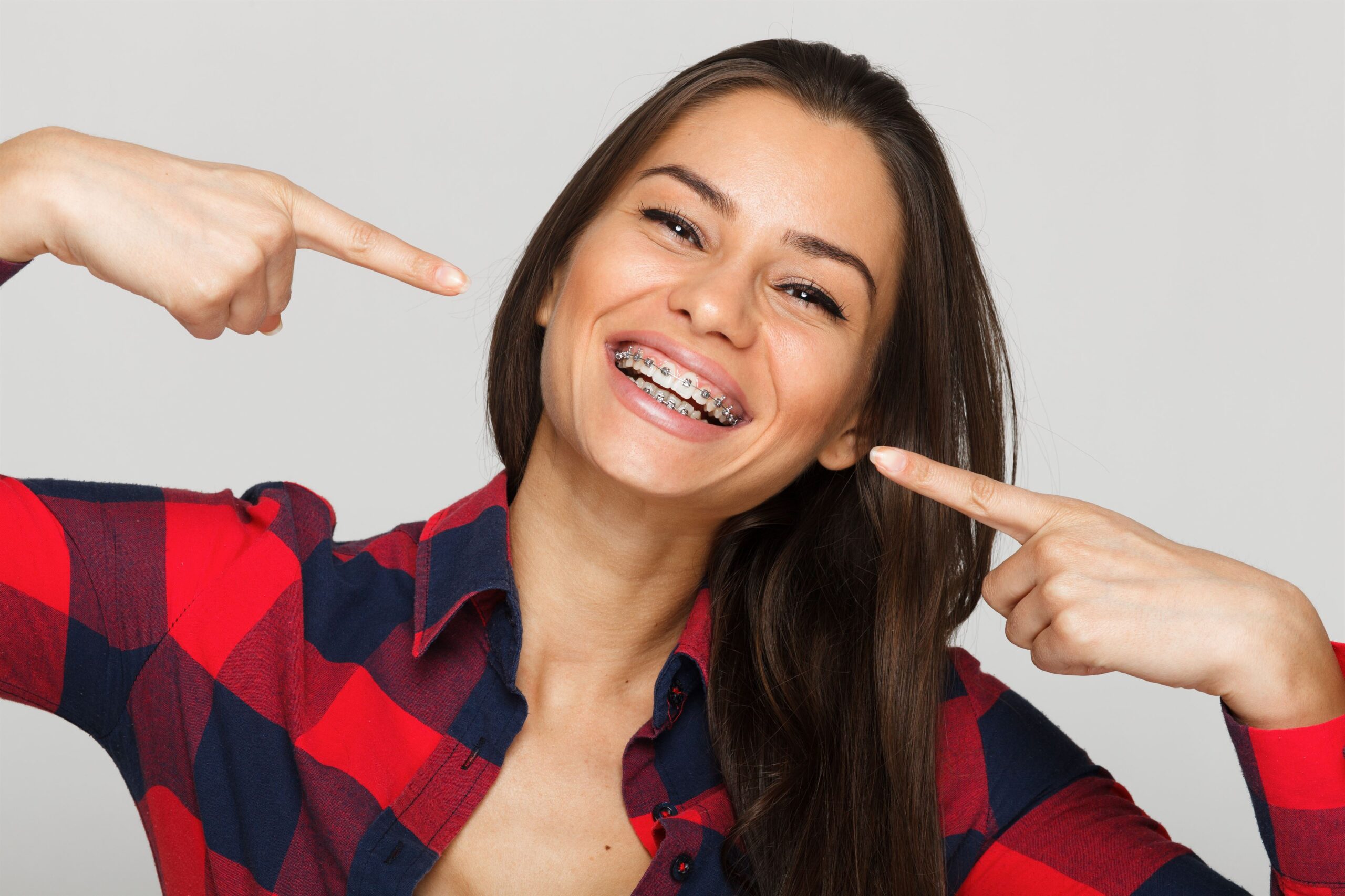
Traditional fixed braces, made of metal brackets and wires, are one of the most commonly chosen treatment methods. Their durability and effectiveness make them suitable for correcting a wide range of bite problems. Modern versions are smaller and more aesthetically pleasing than those used in the past, which makes them more acceptable to adult patients.
Self-ligating braces are a modern variation of traditional fixed braces. Instead of elastic bands holding the wire in place, special clips are used, which reduces friction and speeds up the treatment process. They are also easier to keep clean.
Clear aligners, such as Invisalign, are another popular option. Made from transparent plastic, they are almost invisible on the teeth. Patients wear a series of aligners that gradually move the teeth into the correct position. This method is particularly attractive for adults who value discretion and comfort, as the aligners can be removed when eating and brushing, making everyday hygiene much easier.
Lingual braces are fixed braces attached to the inside surface of the teeth, making them invisible from the outside. This method is ideal for patients who need effective treatment but want their brace to remain completely hidden.
How long does orthodontic treatment take for adults?
The length of orthodontic treatment for adults depends on many factors, including the complexity of the bite problem, the treatment method chosen and how each individual responds to the procedure. The average length of orthodontic treatment is 12 to 36 months.
For less complex bite problems, such as minor tooth displacement, treatment usually takes less time — around 12 to 18 months. Those with more significant crowding or who need additional procedures should expect a longer treatment period.
The treatment method also affects the timeline. With traditional fixed braces and lingual braces, regular check-up appointments every 4 to 6 weeks are required, during which the orthodontist makes the necessary adjustments. Clear aligners, such as Invisalign, require a new set of aligners every few weeks, which also contributes to the overall treatment time.
Each patient’s response to treatment is another factor. Everyone responds differently to orthodontic procedures. For some, teeth move faster than expected; for others, the process is slower, which extends the treatment time. Working closely with your orthodontist, attending regular appointments and following advice on oral hygiene and appliance care are all important.
Summary
Getting braces after 30 can bring real health and aesthetic benefits — improved oral hygiene, easier chewing and the aesthetic gains of a straight, beautiful smile. Popular correction methods include fixed braces, self-ligating braces, clear aligners and lingual braces. Although treatment time varies depending on the severity of the problem and the chosen method, the average is 12 to 36 months. Choosing orthodontic treatment after 30 is therefore an investment in your health and confidence — and one well worth considering.