
Oral hygiene is not just about aesthetics and fresh breath – above all it is about health. Proper oral care can prevent many problems, such as tooth decay and gum disease, and can even influence your overall health. So what hygiene steps should you keep on top of, for both children and adults?
Why is oral hygiene important?
Tooth decay and gum disease are not only about an unattractive smile, bad breath, and pain. Dental problems affect your general health. Poor dental condition can lead to serious problems such as heart disease, diabetes, and digestive issues. Dental problems do not, then, leave your wellbeing and quality of life untouched.
That is exactly why looking after your teeth matters so much – and the foundation of that is good oral hygiene.
Practical oral hygiene tips for adults
1. Cleaning your teeth regularly
Brush your teeth at least twice a day, morning and evening – but ideally around 30 minutes after every meal. Use a soft-bristled brush and fluoride toothpaste, and brush for at least 2 minutes. Store your toothbrush hygienically and replace it roughly every 2 months.
Regularity and brushing time matter, but so does technique. There are several methods to choose from, and the right one depends on your manual dexterity, any gum issues, and your age. Ask your dental hygienist or dentist to help you choose the best technique. The most popular methods include:
- The Roll method, also called the rotational method, involves placing the brush at the junction of the tooth and gum at a 45-degree angle, with the bristles pointing towards the roots. You then make a sweeping, rotating motion to clear bacteria from the entire crown surface.
- The Bass method involves placing the brush at a 45-degree angle, with the bristles pointing towards the gum line. Make gentle back-and-forth movements so the bristles clean the gum pockets. This method is recommended for people with gum problems. It needs to be combined with another technique to clean the tooth crowns as well.
- The Stillman method, like the Bass method, involves holding the brush at a 45-degree angle with the bristles towards the gum line. Make a gentle vibrating motion (left-right), then follow with a sweeping rotation.
- The Charters method involves placing the brush at a 45-degree angle with the bristles pointing towards the teeth. Start with gentle circular movements to massage the gums, then move the brush along the tooth surface.
2. Other hygiene steps
Brushing should be complemented by flossing, which removes food debris from between the teeth. Using a mouthwash and a water flosser (irrigator) is also recommended.
People who wear orthodontic appliances, dentures, or other prosthetic restorations should receive additional hygiene advice from their dentist or hygienist.
Regular dental visits
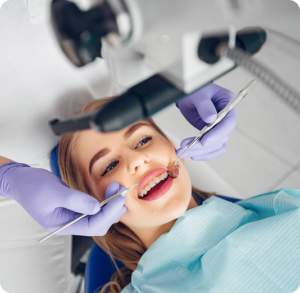
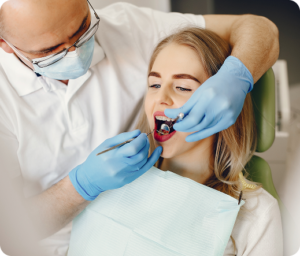
Regular visits to the dentist are very important – they allow decay or other oral problems to be detected at an early stage. Catching a problem early means less invasive treatment. Early decay can be removed and filled, whereas decay that has reached the pulp requires root canal treatment and can even lead to infection, making extraction necessary.
For example, early decay means removing the affected area and placing a filling, while decay reaching the pulp means endodontic treatment or even tooth loss.
Home oral hygiene is also best complemented by professional treatments at the dental practice, primarily scaling and air polishing.
Practical oral hygiene tips for children
How to teach children oral hygiene
Get your child used to brushing from an early age. Buy them a soft-bristled toothbrush and a fluoride toothpaste. To encourage brushing, you could choose a fruit-flavoured toothpaste – though mint-flavoured pastes are generally recommended, as children who use fruity pastes tend to swallow them, and the switch to mint can be harder later on.
Once your child has finished brushing, go over their teeth again yourself. Gradually work towards fully independent brushing. Show them the right technique and explain why it matters.
Regular dental visits
The first dental visit should happen when the first teeth appear, and then regularly every six months. This allows the condition of the teeth to be monitored and any potential problems to be spotted early.
Treating milk teeth
Even though milk teeth will fall out, their condition is key for the development of a healthy bite and for preparing space for the permanent teeth. Neglected milk teeth can lead to pain, infections, and difficulty chewing. So milk teeth must never be ignored when it comes to treatment.
The role of a healthy diet
Make sure your child’s diet is balanced, with plenty of vegetables, fruit, and calcium-rich foods. Avoid giving sugary drinks and snacks between meals.
Where possible, give your child hard foods. Eating crunchy food – such as bread crusts or raw carrots – is important for the development of the jaw, improves chewing ability, and acts as a natural toothbrush by helping to remove plaque and food debris.
Summary
Remember that good oral hygiene is the foundation of healthy teeth and gums. Daily brushing and flossing come first, but regular dental visits and a healthy diet are equally important. Building good oral hygiene habits from an early age is the key to enjoying healthy teeth for life.