
Dental implants are a brilliant solution for replacing missing teeth and can last for many years when looked after properly. But good care is key. Here’s what you need to know about keeping your implants healthy and your smile looking great.
Daily cleaning
Implants need to be cleaned just as carefully as natural teeth, and that means twice a day brushing. Use a soft-bristled toothbrush and a non-abrasive toothpaste. Hard bristles or abrasive products can scratch the surface of the implant crown and make it more prone to picking up staining over time.
Pay special attention to the area where the implant meets the gum. This is where bacteria can build up and cause gum inflammation, which, if left untreated, can eventually lead to bone loss around the implant, a condition known as peri-implantitis.
Flossing and interdental cleaning
Flossing around implants is just as important as flossing around natural teeth. You can use regular dental floss, but implant-specific floss or interdental brushes are often more effective at cleaning around the base of the implant. Your dentist can show you the best technique for your particular implant.
Water flossers are also a popular choice for implant patients. They use a jet of water to flush out food particles and bacteria from around the implant and under the gumline. Many people find them easier to use than traditional floss.
What to avoid
While implants are durable, certain habits can shorten their lifespan. Avoid:
- Hard foods that could damage the crown, such as ice, hard sweets, or very crusty bread.
- Smoking, which significantly increases the risk of implant failure by reducing blood flow to the gums and slowing healing.
- Excessive alcohol consumption, which can also interfere with healing and long-term gum health.
- Using your teeth (including implants) as tools to open packages or bite nails.
Regular dental check-ups
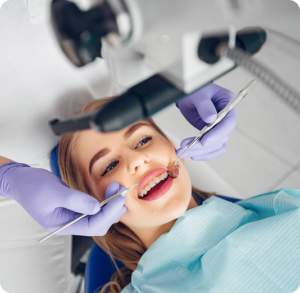
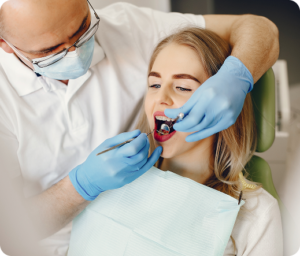
Even if everything feels fine, regular check-ups are a must with implants. Your dentist needs to check that the implant is stable, the crown is in good condition, and the surrounding gum and bone are healthy. How often you need to come in will depend on your individual situation, but most implant patients are seen every six months.
Professional cleaning is also part of this. Even with excellent home care, there are areas around implants that are difficult to reach with a toothbrush or floss. Your dental hygienist can remove any built-up tartar and polish the crown during your visit.
Signs that something might be wrong
Contact your dentist if you notice any of the following around an implant:
- Swelling, redness, or bleeding of the gum
- Pain or tenderness around the implant
- The implant feeling loose or movement when you bite
- Difficulty chewing on the affected side
Catching problems early gives the best chance of a successful outcome. With proper care and regular check-ups, dental implants really can last a lifetime.