
Why whiten your teeth? What whitening methods are available? Which is the best? How is it done and how long does it take?
Teeth whitening is the most popular cosmetic dental treatment. Some people want super-white Hollywood or Love Island teeth, others a more natural but still bright “Chelsea smile” – but brightening teeth in general is growing in popularity.
Whiter teeth are considered more attractive, and as more people whiten their teeth it becomes less of a luxury status symbol and more of an expected standard of appearance. Improved confidence is one of the positive results of whiter teeth, and being less reluctant to smile or show your teeth can make you feel more confident in social and professional situations generally. These are all good reasons to consider teeth whitening. Let’s start from the beginning, though.
Why aren’t all teeth pearly white?
First of all, people’s teeth simply vary in natural colour, and this depends on genetics, which affects the thickness and shade of tooth enamel. Some people just have white teeth, others are more yellow or grey – often a family trait.
Conditions or circumstances that affected enamel development can influence tooth colour from an early age, even before birth – for example certain infections during pregnancy, or the use of antibiotics including tetracycline and doxycycline in early childhood.
Trauma (from sport, fights, or accidents) can also affect enamel development, as can radiotherapy and chemotherapy.
With age, teeth also become darker: the outer enamel layer wears away and the yellow, more porous dentine beneath is increasingly exposed. Teeth also become less translucent, making them look darker.
Finally, lifestyle factors – what you eat, drink, and generally put in your mouth – affect your teeth and can lead to staining.
Dark caffeinated drinks such as coffee, tea, and cola cause staining, as does red wine, which contains tannins. Smoking is one of the main causes of tooth yellowing due to nicotine.
My teeth are yellow, discoloured, or stained. What can I do?
Addressing discoloured teeth depends on how much change you want to achieve and the current condition of your teeth.
Maintaining good oral hygiene habits is a great starting point (and will improve not just the colour of your teeth but their health), and avoiding staining from food, drink, and tobacco will reduce or prevent staining to some degree.
When it comes to specific whitening treatments, not all treatments are suitable for everyone, so consult your dentist before making a decision – even if you are planning to use a home method such as whitening strips.
Teeth whitening is most suitable for people with healthy gums and teeth.
How does teeth whitening work?
Most teeth whitening products are based on peroxides (often “hydrogen peroxide”), with the percentage of peroxide varying between products – it is lower in over-the-counter preparations.
It is important to remember that whitening only works on natural tooth enamel. It won’t work on fillings or crowns, so if you have fillings matched to your “old” tooth shade, a noticeable contrast may appear after whitening – particularly if you choose to go several shades lighter. There are several ways of using whitening products.
Whitening toothpaste
This is the simplest way to slightly brighten your teeth and add a little sparkle to your smile, though it has limited power and will lighten teeth by roughly one shade only. Whitening toothpaste contains mild abrasives and polishing agents that remove surface staining, but it does not contain true whitening agents.
Home whitening strips, gels, and rinses
Strips and gels are available over the counter for home use, and because they do contain whitening agents they will produce a noticeable whitening effect. Results are usually visible after around two weeks of use and last for around four months.
Whitening rinses also contain a whitening agent (usually hydrogen peroxide), but because contact time with the teeth is relatively short (no more than a few minutes a day, even with thorough rinsing), they are less effective and achieving visible results takes considerably longer (sometimes months of regular use).
Tray-based whitening systems
This is the most effective home whitening method, because it allows much stronger whitening agents to be used. The “tray” is similar to a mouthguard and is filled with whitening gel. It is worn for up to several hours each day.
Tray kits are available over the counter, but dentists also provide them. Which are better? Professional kits will give faster, more visible results for two reasons: dentists can use stronger whitening agents than those found in over-the-counter kits, and the trays in a professional kit are custom-fitted to your teeth. This improves the contact between the whitening gel and your teeth and makes gum irritation less likely – which is particularly important if you have unusually large or small teeth.
Professional whitening
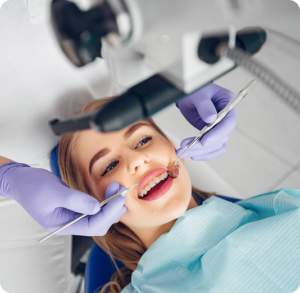
This is the fastest and most effective way to whiten your teeth. It involves applying a whitening product to the teeth, which is then activated and boosted by a heat source, light, or laser. Striking results (teeth up to eight shades lighter) can be achieved in a single session lasting around one hour. A protective gel or rubber shield is used to protect the gums during the procedure.
The importance of a consultation and proper treatment planning
Professional whitening – ideally a combination of in-practice whitening and home tray whitening prepared by the dentist – is not only by far the most effective but also the safest way to brighten your smile.
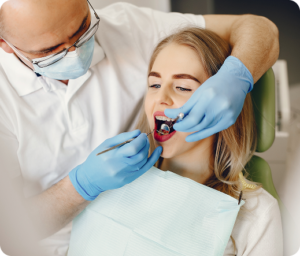
Even if you are planning to use home methods and over-the-counter products, we strongly recommend consulting your dentist before starting whitening. Your dentist will check the condition of your teeth and gums and advise whether you are a suitable candidate for whitening. Whitening works on stains and tooth discolouration, but it may be less effective if you are taking certain medications, such as some antibiotics.
It is also worth bearing in mind that fillings, crowns, bridges, and implants will not whiten. Going several shades lighter may require replacing fillings or crowns once the whitening process is complete.