
Toothache is one of those pains that simply cannot be ignored. It often strikes at the worst possible moment, at night, at the weekend, just before an important meeting at work. And although the first instinct is usually “I’ll just get through it”, experience shows that acute dental pain does not go away on its own, and the longer you wait, the more complicated the situation usually becomes.
If you live in London and do not know where to turn for quick dental help, this article will explain exactly what your options are and what to expect.
Why does sudden toothache require a fast response?
Acute dental pain is a signal that something serious is happening. It may be advanced decay that has reached the tooth’s pulp, a cracked tooth, a periodontal abscess, inflammation following an extraction, or a broken filling exposing sensitive tissue. Each of these situations requires dental treatment.
Putting off an appointment “until later” rarely ends well. An infection within a tooth can spread to surrounding tissues, and in extreme cases can lead to serious complications requiring hospital treatment. Furthermore, the longer the inflammation persists, the more complicated and costly the treatment becomes.
NHS or private, what to choose in an emergency?
In the United Kingdom, the theory is that the NHS provides access to a dentist in emergencies. The reality can be different. Waiting times for an NHS appointment, even in a painful situation, can range from a few days to a few weeks, particularly if you do not have a registered NHS dentist. Calling 111 (the NHS helpline) can help in finding an on-call practice, but there is no guarantee you will receive an appointment the same day.
Private practices such as PerfectSmile offer significantly shorter waiting times. In our case, we make every effort to see patients with acute pain on the day of contact or the next working day. We are open Monday to Friday 9:00–20:00 and Saturdays 9:00–18:00, which means we have some of the longest opening hours of any practice in west London.
What does an emergency dental appointment look like?
An emergency appointment differs somewhat from a standard one. Its main goal is to relieve the pain and secure the tooth as quickly as possible, not necessarily to carry out comprehensive treatment straight away.
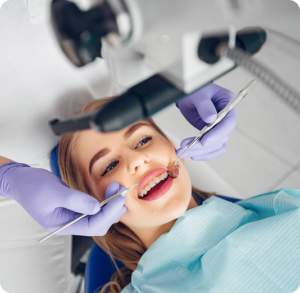
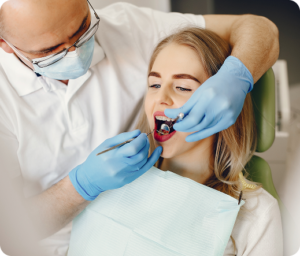
On arrival at the practice, the dentist will take a brief history, how long you have had the pain, how intense it is, whether there is any swelling or fever. An X-ray is then taken to assess the condition of the tooth and surrounding bone. Based on the diagnosis, the dentist decides on the appropriate course of action.
Depending on the situation, this may involve a temporary filling, an abscess incision, a root canal dressing, or, when necessary, tooth extraction. Anaesthesia is always available and included in the cost of the appointment. Even if full treatment cannot be carried out that day, the dentist will ensure you leave the practice pain-free and with a clear plan for further care.
What to do before you reach the practice?
When pain strikes in the middle of the night or when the practice is unavailable, there are a few ways to temporarily ease the symptoms.
Standard over-the-counter pain relief such as ibuprofen or paracetamol is the first choice. Ibuprofen also has anti-inflammatory properties, making it more effective for dental pain caused by inflammation. Bear in mind, these medications provide temporary relief only; they do not treat the underlying cause.
A cold compress applied to the outside of the cheek can reduce swelling and numb the area. Avoid hot drinks and food on the affected side. Do not apply a warm compress to the face if you suspect an abscess, heat can accelerate the spread of infection.
How to find a Polish emergency dentist in London?
For Polish residents of London, an emergency situation is doubly stressful, on top of the pain, there is the language barrier. Describing the nature, intensity and history of dental pain, as well as any medication allergies, in a foreign language while in significant discomfort is an extra challenge that many people know from personal experience.
PerfectSmile sees experienced patients throughout the week, including Saturdays. Simply call 07490 565656 and describe your situation, in Polish, without any communication difficulties. The practice is located at 36 Crown St, London W3 8SB in Ealing/Acton, with good public transport connections from various parts of London.
How much does an emergency appointment cost?
The cost of an emergency appointment at a private dental practice in London depends on the scope of treatment required. At PerfectSmile, a consultation with examination starts from £50. Anaesthesia is always free of charge. A temporary filling costs £100, an abscess incision £120, and extraction of a simple permanent tooth £150–£200. Before beginning any treatment, the dentist will always inform you of the costs, no surprises at the end.
How to avoid emergency situations in the future?
The most effective way to avoid painful emergency appointments is regular preventive care. A check-up every six months, scaling and air polishing once a year, and treating cavities at an early stage are expenses many times smaller than the cost of root canal treatment or an implant following a sudden deterioration.
At PerfectSmile we offer a preventive package including scaling, air polishing and fluoride treatment at £150, at a discount compared to purchasing these treatments separately. It is the best insurance against painful surprises.