Implantology is the branch of dentistry that deals with replacing missing teeth by placing an implant into the jawbone. As technology and materials have advanced, it’s now possible to create implants that are not only more durable, but better tolerated by the body and far more natural looking. Read on to find out what’s new in implant dentistry.
What Are Dental Implants?
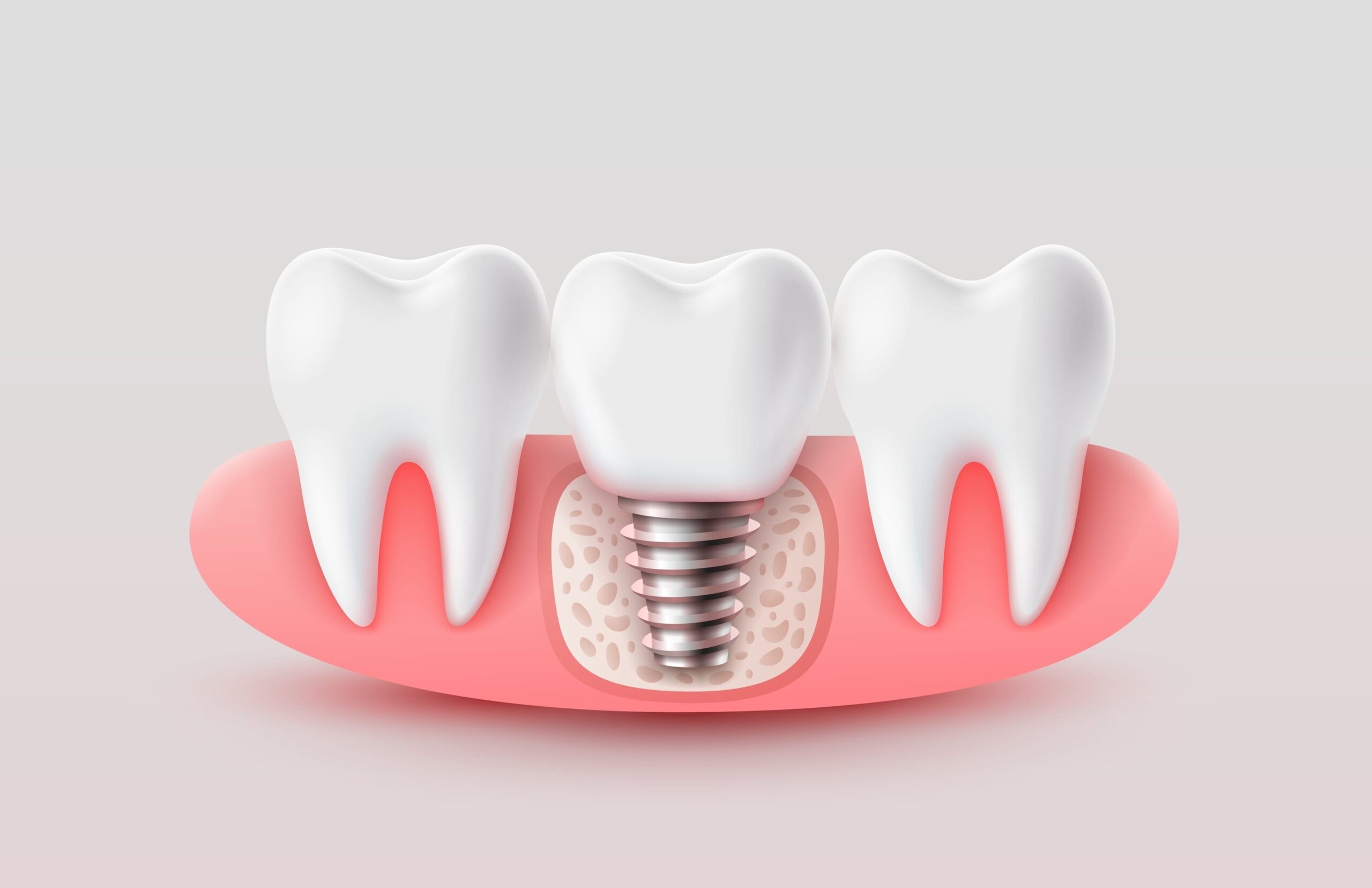
Dental implants are small titanium or zirconia posts that are placed into the jawbone to act as artificial tooth roots. A crown is then attached on top, giving you a tooth that looks, feels, and functions just like a natural one.
Implants are a long-term solution for replacing missing teeth. With proper care, they can last many years, and often a lifetime.
Modern Implant Materials
Until recently, titanium was the material of choice for dental implants, and it remains an excellent option. Zirconia (ceramic) implants have become increasingly popular, offering a metal-free alternative that’s particularly well suited to patients with metal sensitivities or those who prefer an all-ceramic solution for aesthetic reasons.
Both materials are highly biocompatible, meaning the body accepts them well, and both integrate reliably with the surrounding bone through a process called osseointegration.
Digital Planning and Guided Surgery
One of the biggest advances in modern implantology is digital treatment planning. Using cone beam CT (CBCT) scans, dentists can build a precise 3D map of your jawbone before placing a single implant.
This information is used to create surgical guides — custom templates that direct the implant drill to exactly the right position, angle, and depth. The result is greater accuracy, shorter procedures, and faster healing for you.
Immediate Loading — Teeth in a Day
Traditional implant protocols required a healing period of several months between implant placement and fitting the final crown. Immediate loading allows a temporary crown to be attached on the same day as the implant in suitable cases, so you leave the practice with a tooth.
Not every patient is a candidate for same-day loading — bone density and the position of the implant matter — but where it’s possible, it dramatically reduces treatment time.
Mini Implants
Mini implants are narrower than standard implants and designed for patients who don’t have enough bone for conventional placement. They’re often used to stabilise dentures, giving removable prosthetics a much more secure fit and improving chewing comfort significantly.
All-on-4 and All-on-6
The All-on-4 and All-on-6 techniques allow a full arch of teeth to be supported by just four or six implants. This approach is ideal for patients who have lost all or most of their teeth and want a fixed, non-removable solution without the need for a separate implant for every tooth.
The implants are placed at angles to maximise contact with available bone, often avoiding the need for bone grafting altogether.
Summary
Dental implant technology has come a long way in a short time. Whether you’re missing one tooth or a whole arch, modern implantology has a solution that can restore your smile, your chewing ability, and your confidence. Speak to our team to find out which option is right for you.