Tooth decay is one of the most common oral health conditions. It is a serious health problem that, if left untreated, can lead to complications such as pulpitis, abscesses and even tooth loss. Conservative treatment of decay aims to stop the progression of the disease and restore the function and aesthetics of the teeth. What steps should you take to get rid of decay? What does prevention look like? Read on to find out!
Tooth decay — symptoms and causes
Tooth decay is an infectious disease that leads to demineralisation and destruction of the hard tissues of the tooth — the enamel and dentine. It is caused by acids produced by bacteria found in dental plaque. The main causes of decay are poor oral hygiene, a high sugar intake and insufficient exposure to fluoride.
Decay begins with white spots on the surface of the tooth, which are the result of enamel demineralisation. As the disease progresses, these spots darken and become cavities. The process is driven by Streptococcus mutans and Lactobacillus bacteria, which metabolise sugars in the diet and produce organic acids. These acids dissolve the minerals in the enamel, causing it to gradually break down.
Symptoms of decay in adults vary and depend on how far the disease has progressed. In the early stages it may cause no symptoms at all, but as the disease advances, characteristic signs appear. The most common include:
- tooth pain — which may be sharp or persistent, often worsening when eating sweet, cold or hot food and drinks,
- visible cavities, which may appear as brown or black spots,
- tooth sensitivity, causing pain or discomfort when eating and drinking,
- bad breath, which can be caused by the breakdown of food debris inside the cavities,
- swelling and redness of the gums around the affected tooth, which may indicate developing pulpitis or an abscess.
Tooth decay — prevention
To prevent the development of decay in adults, a few basic guidelines should be followed.
- Oral hygiene
Effective decay prevention starts with daily oral hygiene. Brush your teeth at least twice a day using the correct technique and a soft or medium-bristle toothbrush. Daily flossing is equally important — it removes food debris and plaque from the spaces between teeth, where a toothbrush often cannot reach. Where possible, an oral irrigator is also useful — the stream of water effectively cleans hard-to-reach spots and massages the gums, improving their circulation. Sticking to these hygiene habits consistently is essential for preventing decay and keeping teeth healthy long-term.
- A healthy diet
A diet rich in vitamins and minerals supports the health of teeth and gums, while avoiding excessive simple sugars is key to preventing decay. Sugars — found in sweets, fizzy drinks and processed food — are the main food source for bacteria in the mouth, which produce acids that demineralise enamel and fuel decay.
Eating calcium-rich foods, such as milk, yogurt and cheese, helps strengthen tooth enamel. Vitamin D, which aids calcium absorption, also plays an important role and can be obtained from foods such as oily fish, eggs and fortified products. Vegetables and fruit — especially those high in fibre — help clean teeth naturally and stimulate saliva production, which neutralises acids and supports enamel remineralisation.
- Regular dental check-ups
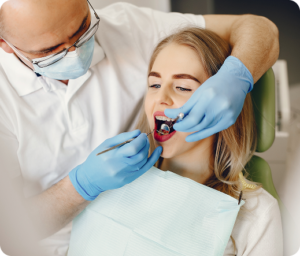
Routine check-ups at Perfect Smile are recommended at least twice a year. They allow early detection of tooth and gum problems before they become serious. During these visits your dentist carries out a thorough examination of the mouth, assessing the condition of the enamel, dentine and gums, and takes any necessary X-rays, which can reveal hidden cavities or other problems.
Professional cleaning during check-ups at Perfect Smile is an important part of prevention. Removing tartar and plaque — the main risk factors for decay and gum disease — helps maintain oral health. Your dentist can also apply preventive treatments such as fluoride application or fissure sealants. Fluoride strengthens enamel, while fissure sealants seal the grooves and fissures on the chewing surfaces of back teeth using a special composite material.
Conservative treatment of tooth decay
Conservative treatment of decay involves a range of methods aimed at removing infected tooth tissue and restoring function and aesthetics. The most common treatment is a filling — removing the decay-damaged part of the tooth and replacing it with a material such as composite.
Composite fillings, also known as white or tooth-coloured fillings, are a popular choice because of their aesthetics — they can be matched to the natural colour of the tooth. The procedure starts with a thorough cleaning of the cavity to remove all decayed material. A special bonding agent is then applied to ensure a lasting connection between the composite and the tooth tissue. The composite is built up in layers, with each layer hardened using a UV light.
Summary
The key elements of decay prevention include daily oral hygiene, a diet low in sugar and regular check-up appointments at Perfect Smile, where professional cleaning and early detection of decay are possible. During decay treatment, your dentist removes the infected tissue and applies a composite filling, restoring the function and aesthetics of the tooth. Early detection of decay avoids the need for root canal treatment or even extraction.