While dentistry has excellent treatments for decay, prevention will always be better than cure. Good habits, careful oral hygiene, and regular dental visits can significantly reduce your risk of developing cavities. Here’s what actually works.
Why Does Tooth Decay Happen?
Decay is caused by bacteria in the mouth that feed on sugars and produce acids as a by-product. Over time, these acids weaken and erode tooth enamel, eventually creating a cavity.
Everyone has some bacteria in their mouth — the key is keeping their activity under control through hygiene and diet.
Brush Twice a Day, Properly
Brushing twice a day with fluoride toothpaste is the single most important thing you can do to prevent decay. Use a soft-bristled toothbrush and brush for at least two minutes, covering all surfaces of every tooth.
Electric toothbrushes are particularly effective at removing plaque, especially for children and anyone who finds manual brushing difficult.
Floss Every Day
Flossing removes plaque and food debris from between the teeth — areas that a toothbrush simply can’t reach. Decay between teeth (interproximal decay) is very common, and daily flossing is one of the best ways to prevent it.
Interdental brushes are an alternative to floss that some people find easier to use.
Watch Your Sugar Intake
How often you eat sugar matters as much as how much you eat. Every time you consume something sweet or acidic, your mouth enters an acidic phase that lasts around 20 to 30 minutes. Frequent snacking keeps the mouth in this acidic state for longer periods, increasing decay risk.
Try to limit sweet snacks to mealtimes and choose water or milk rather than sugary drinks between meals.
Use Fluoride
Fluoride strengthens enamel and makes it more resistant to acid. Most toothpastes contain fluoride, but additional protection is available through fluoride mouthwash, fluoride tablets (for children in low-fluoride areas), and professional fluoride treatments at the clinic.
Don’t rinse with water immediately after brushing — this washes away the fluoride before it has time to act.
Consider Fissure Sealants
The deep grooves on the biting surfaces of the back teeth are common spots for decay to develop, because they trap food and bacteria. Fissure sealants are thin protective coatings that fill these grooves, making the surface much easier to clean.
They’re most often recommended for children and teenagers, but can benefit adults too.
Attend Regular Check-Ups
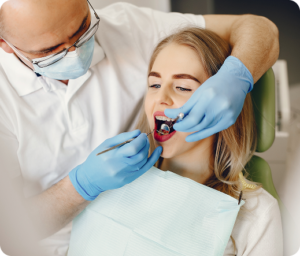
Your dentist can spot the earliest signs of decay before you’re even aware of a problem. Catching decay early means treatment is simpler, less invasive, and more affordable.
Aim for a check-up at least once a year, or every six months if your dentist recommends it.
Summary
Preventing decay doesn’t require anything complicated — just consistency. Good brushing, daily flossing, a sensible diet, and regular check-ups are all it takes to keep cavities at bay. Start with small changes if needed, and build from there.