Dental implants are a modern way to replace missing teeth, offered by contemporary dentistry. They are increasingly popular with patients and frequently recommended by dentists, because they restore full chewing function and smile aesthetics in a way that closely mimics natural teeth. The introduction of implants into dentistry has significantly changed the approach to prosthetic treatment, offering an alternative far closer to natural dentition than traditional options such as removable dentures. Even so, many people still have questions about the effectiveness and safety of this approach. This article is here to help answer them.
Dental implants — what are they?
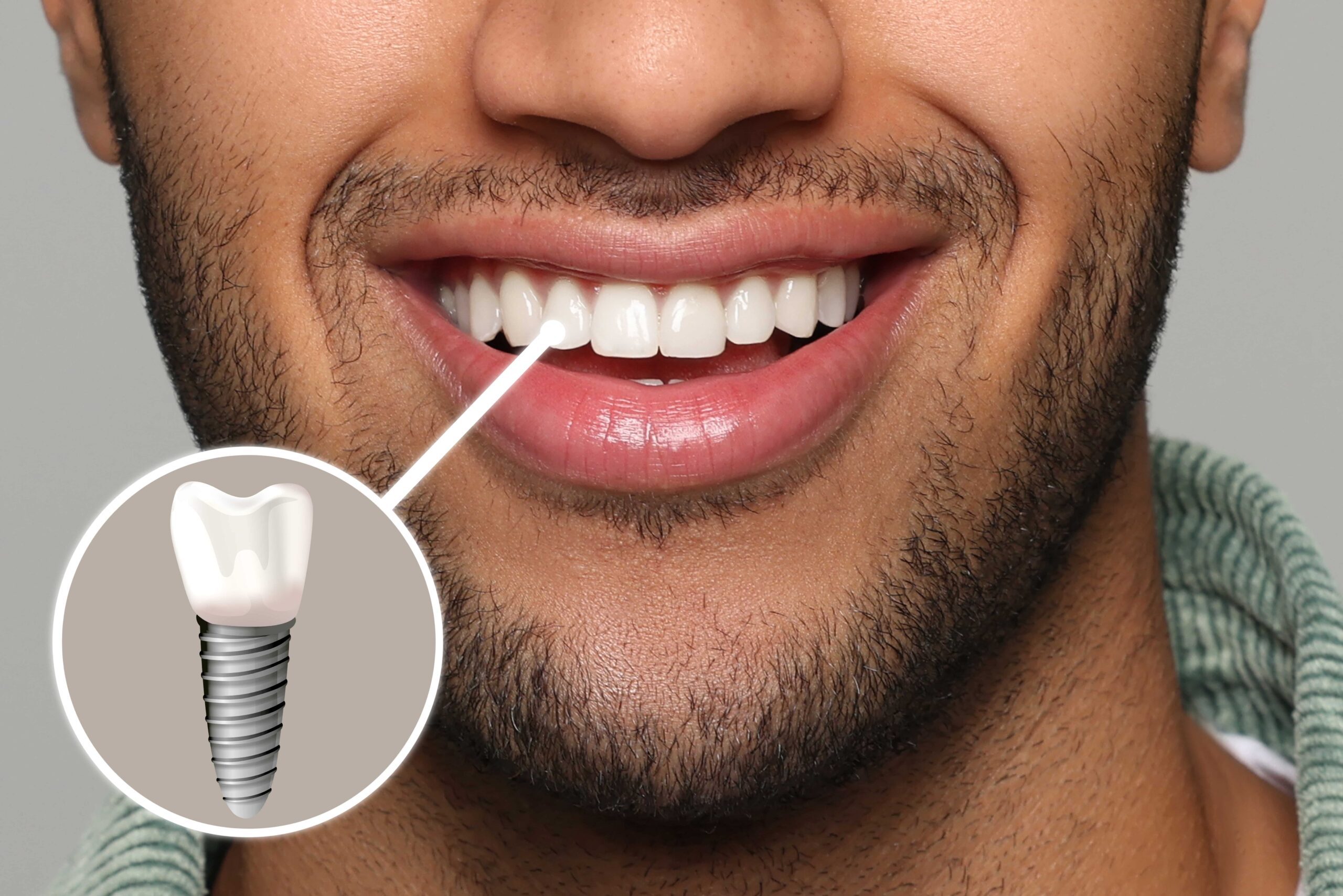
Dental implants are specialist prosthetic solutions that serve as a permanent alternative to lost teeth. An implant is a small titanium screw placed directly into the jawbone or the lower jaw, acting as a tooth root. Once it has integrated with the bone, a crown, bridge or denture is attached to it, restoring the natural appearance of the teeth and full chewing function. The process of the implant integrating with the bone, known as osseointegration, is key to the stability and durability of the whole structure.
Dental implants are valued for their strength, longevity and ability to replicate the look and function of natural teeth, which improves patients’ quality of life. Thanks to the use of biocompatible materials such as titanium, the risk of rejection or allergic reaction is minimal, making implants safe for the vast majority of patients.
The implant placement procedure
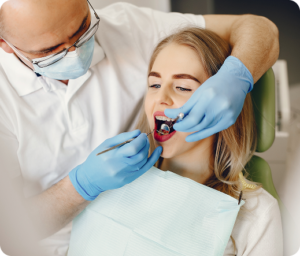
Before placing a dental implant, the whole treatment process is carefully planned. The specialist carries out a detailed analysis of the patient’s oral health, paying particular attention to the condition of the jaw bone — assessing its density and volume. This important step determines whether the patient is suitable for implant treatment and helps choose the most appropriate type of implant.
The next stage is the surgical procedure to place the dental implant, carried out under local anaesthesia. Once the implant has integrated with the bone — a process that takes some time — special prosthetic components (abutments) are attached to it, which serve as the base for the final restoration. This may be a crown, bridge or denture. Each is precisely matched to the patient’s natural teeth in both colour and shape, ensuring excellent aesthetics and comfort.
Safety of dental implants
Dental implants have been the subject of regular safety research for many years. Thanks to the use of biocompatible materials such as titanium, implants are considered safe for the vast majority of patients. There are, however, a few important points to bear in mind.
The key element ensuring safety is osseointegration — the process by which the implant integrates with the bone. Thanks to materials like titanium, the risk of implant rejection is minimal.
Carrying out the whole process under sterile conditions in a reputable dental clinic significantly reduces the risk of infection. At our clinic, we give patients detailed instructions on oral hygiene after the procedure and, where needed, prescribe antibiotics to prevent inflammation.
Precise placement of the implant and appropriate loading are also important for long-term stability. At our centre, these tasks are carried out only by experienced implantology specialists who plan both the placement of the implant and the subsequent prosthetic restoration with great care.
Regular follow-up appointments are essential to ensure that implant treatment remains safe. Periodic check-ups and strict adherence to post-operative instructions allow the condition of the implants to be monitored and any potential problems to be addressed quickly.
The longevity of dental implants, confirmed by numerous studies, also depends on the patient maintaining good oral hygiene. Regular brushing, flossing and avoiding damaging habits such as smoking are all necessary to keep implants and the surrounding tissues healthy.
Effectiveness of dental implants
Treatment of tooth loss using dental implants is considered one of the most effective approaches to restoring a healthy and attractive smile. What sets implants apart is their longevity, which stems from osseointegration — the process by which the implant fuses with the bone. Thanks to titanium, a material well tolerated by the body, implants become an integral part of the dental system after healing, providing stability comparable to natural teeth.
Beyond aesthetic improvement, dental implants allow patients to regain full chewing function, which has a significant positive impact on quality of life. They can replace a single tooth, or serve as the foundation for bridges or full dentures, giving patients the ability to eat, speak and maintain their natural facial contours comfortably.
Summary
Dental implants are a safe and effective way to replace missing teeth, and their popularity is growing among both patients and dental specialists. Thanks to modern technology and biocompatible materials like titanium, implants provide a lasting solution that mimics natural teeth in both appearance and function. The safety of the implant procedure is ensured through careful treatment planning, strict sterilisation protocols and regular check-ups, all of which minimise the risk of complications. The effectiveness of dental implants in restoring full chewing function and smile aesthetics is supported by extensive research, making them one of the best prosthetic solutions available today.